Image


Spring
3 units
A common goal of observational clinical or epidemiologic research is to estimate the causal effect of particular exposures or interventions on some health outcome. While causation-oriented research has long been practiced, recent methodologic work has more sharply placed into view what it means and what is needed to estimate causal effects. In particular, there are newer alternatives that may be better than conventional stratification or regression approaches to reduce confounding in observational research. This course will describe more advanced methods that may yield better estimates of causal effects than standard approaches.
Course Topics:
Epidemiologic Methods (EPI 203), Biostatistical Methods II (BIOSTAT 208), and Biostatistical Methods III (BIOSTAT 209), which may be taken concurrently. Clinical Epidemiology (EPI 204) and Biostatistical Methods IV (BIOSTAT 210) are very helpful. Exceptions to these prerequisites may be made with the consent of the Course Director, space permitting.
Each week, the first hour of class time will be devoted to interactive discussion of the previous week’s concepts and homework due that day along with opportunistic recent relevant examples from the literature, followed by an interactive lecture that introduces the new material for the week. Next, the interactive lecture will either resume to complete its objectives or students will begin to work through on their own highly-annotated computer laboratory exercises using Stata do-files, with course faculty available to address questions. The final session of the course will provide an opportunity for students to present extra-credit research projects as well as review the take-home final examination.
Discussion: Overview and discussion of lecture content from the prior week; review of homework assignment; and discussion of issues or papers brought to the group by students. Depending upon the number of students, small groups may be formed to ensure ample opportunity for students to ask questions.
Lecture: Introduction of new material. Interaction is encouraged. Lecture recordings will be available online later in the day. Timing of the lecture and laboratory sessions is flexible; in some cases, the lecture may extend into the laboratory period.
Time: Wednesdays, 2:25 to 3:25 PM
Computer Laboratory: Assistance in implementation of the methods featured in the course using Stata. Course faculty will also provide an annotated video of each laboratory that students can view to guide them through the exercises.
Time: Wednesdays, 3:35 PM, or 10 minutes after lecture is finished, to 4:15 PM
Office Hours: Course faculty are available to address questions on course content including prior problem sets.
Time: Mondays, 3:10 to 4:00 PM via Zoom (Starts April 7)
The online syllabus for the quarter shows the dates and times for all of these activities. The online syllabus is made available to enrolled students close to the start of the course.
Regression Methods in Biostatistics by Vittinghoff et al. Springer, 2012.
Stata Statistical Software (Stata Corporation, College Station, TX) will be used; version 13 or higher is acceptable. Stata is offered at a sizeable discount for students Stata/BE is more than adequate for this course and future needs of most students. We recommend a perpetual license, but you can get by with a 6-month license.
Books may be purchased either through the publisher or a variety of commercial venues (e.g., Amazon.com).
Other than textbooks, all materials and handouts will be posted on the course's syllabus. The online syllabus is made available to enrolled students close to the start of the course.
Grades will be based on weekly homework assignments, a take-home final examination, and an optional extra-credit student project, which will give students the opportunity to apply methods learned in this course to their own research area.
Students not in full-year DEB Education Programs who satisfactorily pass all course requirements will, upon request, receive a Certificate of Course Completion.
Only UCSF students (defined as individuals enrolled in UCSF degree or certificate programs) will receive academic credit for courses. Official transcripts are available to UCSF students only. A Certificate of Course Completion will be available upon request to individuals who are not UCSF students and satisfactorily pass all course requirements.
For UC-Affiliated learners, the course fee is $3,200
For Non-UC-Affiliated learners, the course fee is $3,800
UC-Affiliation: Concurrent enrollment in a University of California-sponsored residency or post-doctoral fellowship program that is recognized by the Office of Graduate Medical Education; or a registered student in one of the professional schools or graduate programs at the University of California (in a program other than the TICR program); or individuals who hold full-time salaried University of California faculty, academic or staff positions. Please note: Individuals will be asked to provide proof of UC status.
Course Topics:
Epidemiologic Methods (EPI 203), Biostatistical Methods II (BIOSTAT 208), and Biostatistical Methods III (BIOSTAT 209), which may be taken concurrently. Clinical Epidemiology (EPI 204) and Biostatistical Methods IV (BIOSTAT 210) are very helpful. Exceptions to these prerequisites may be made with the consent of the Course Director, space permitting.
Each week, the first hour of class time will be devoted to interactive discussion of the previous week’s concepts and homework due that day along with opportunistic recent relevant examples from the literature, followed by an interactive lecture that introduces the new material for the week. Next, the interactive lecture will either resume to complete its objectives or students will begin to work through on their own highly-annotated computer laboratory exercises using Stata do-files, with course faculty available to address questions. The final session of the course will provide an opportunity for students to present extra-credit research projects as well as review the take-home final examination.
Discussion: Overview and discussion of lecture content from the prior week; review of homework assignment; and discussion of issues or papers brought to the group by students. Depending upon the number of students, small groups may be formed to ensure ample opportunity for students to ask questions.
Lecture: Introduction of new material. Interaction is encouraged. Lecture recordings will be available online later in the day. Timing of the lecture and laboratory sessions is flexible; in some cases, the lecture may extend into the laboratory period.
Time: Wednesdays, 2:25 to 3:25 PM
Computer Laboratory: Assistance in implementation of the methods featured in the course using Stata. Course faculty will also provide an annotated video of each laboratory that students can view to guide them through the exercises.
Time: Wednesdays, 3:35 PM, or 10 minutes after lecture is finished, to 4:15 PM
Office Hours: Course faculty are available to address questions on course content including prior problem sets.
Time: Mondays, 3:10 to 4:00 PM via Zoom (Starts April 7)
The online syllabus for the quarter shows the dates and times for all of these activities. The online syllabus is made available to enrolled students close to the start of the course.
Regression Methods in Biostatistics by Vittinghoff et al. Springer, 2012.
Stata Statistical Software (Stata Corporation, College Station, TX) will be used; version 13 or higher is acceptable. Stata is offered at a sizeable discount for students Stata/BE is more than adequate for this course and future needs of most students. We recommend a perpetual license, but you can get by with a 6-month license.
Books may be purchased either through the publisher or a variety of commercial venues (e.g., Amazon.com).
Other than textbooks, all materials and handouts will be posted on the course's syllabus. The online syllabus is made available to enrolled students close to the start of the course.
Grades will be based on weekly homework assignments, a take-home final examination, and an optional extra-credit student project, which will give students the opportunity to apply methods learned in this course to their own research area.
Students not in full-year DEB Education Programs who satisfactorily pass all course requirements will, upon request, receive a Certificate of Course Completion.
Only UCSF students (defined as individuals enrolled in UCSF degree or certificate programs) will receive academic credit for courses. Official transcripts are available to UCSF students only. A Certificate of Course Completion will be available upon request to individuals who are not UCSF students and satisfactorily pass all course requirements.
For UC-Affiliated learners, the course fee is $3,200
For Non-UC-Affiliated learners, the course fee is $3,800
UC-Affiliation: Concurrent enrollment in a University of California-sponsored residency or post-doctoral fellowship program that is recognized by the Office of Graduate Medical Education; or a registered student in one of the professional schools or graduate programs at the University of California (in a program other than the TICR program); or individuals who hold full-time salaried University of California faculty, academic or staff positions. Please note: Individuals will be asked to provide proof of UC status.
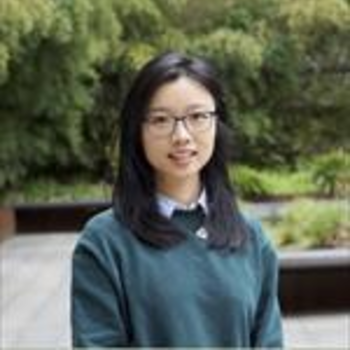
Assistant Professor, Department of Epidemiology & Biostatistics
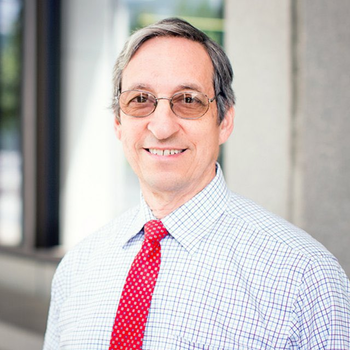
Professor Emeritus, Departments of Epidemiology & Biostatistics and Pediatrics
Whether you're exploring the field, enhancing your skills, or working toward a larger academic goal, most individual courses are open to everyone. Current learners enrolled in DEB Education programs have priority in enrollment for this course. Any extra spaces are available to non-DEB Education learners (i.e., those from the Institute for Global Health Sciences, School of Nursing, external groups, etc).
You’ll find details on course fees, how to apply and pay, and the full course schedule on the Course Enrollment & Payment page. Be sure you understand the enrollment policies and payment process before completing the enrollment form.
And remember: you only need to submit one form for all the new courses you want to take.